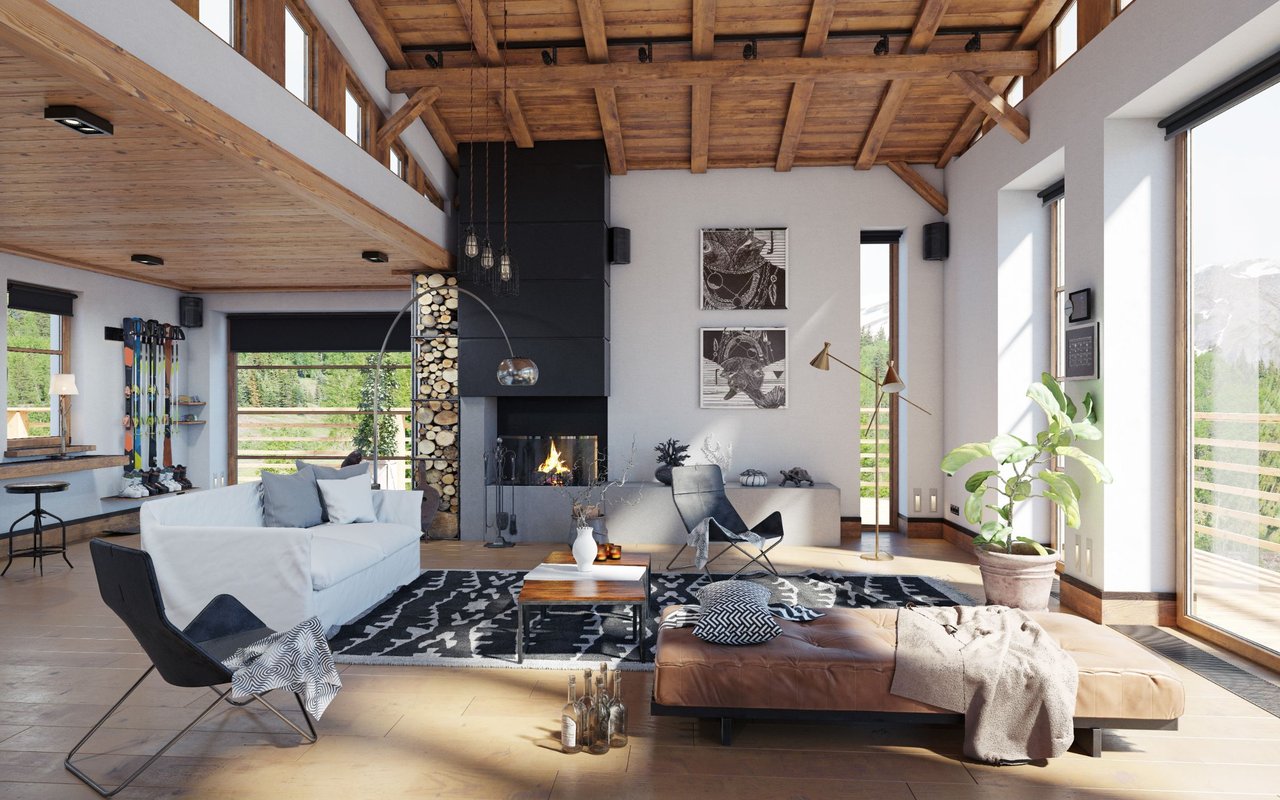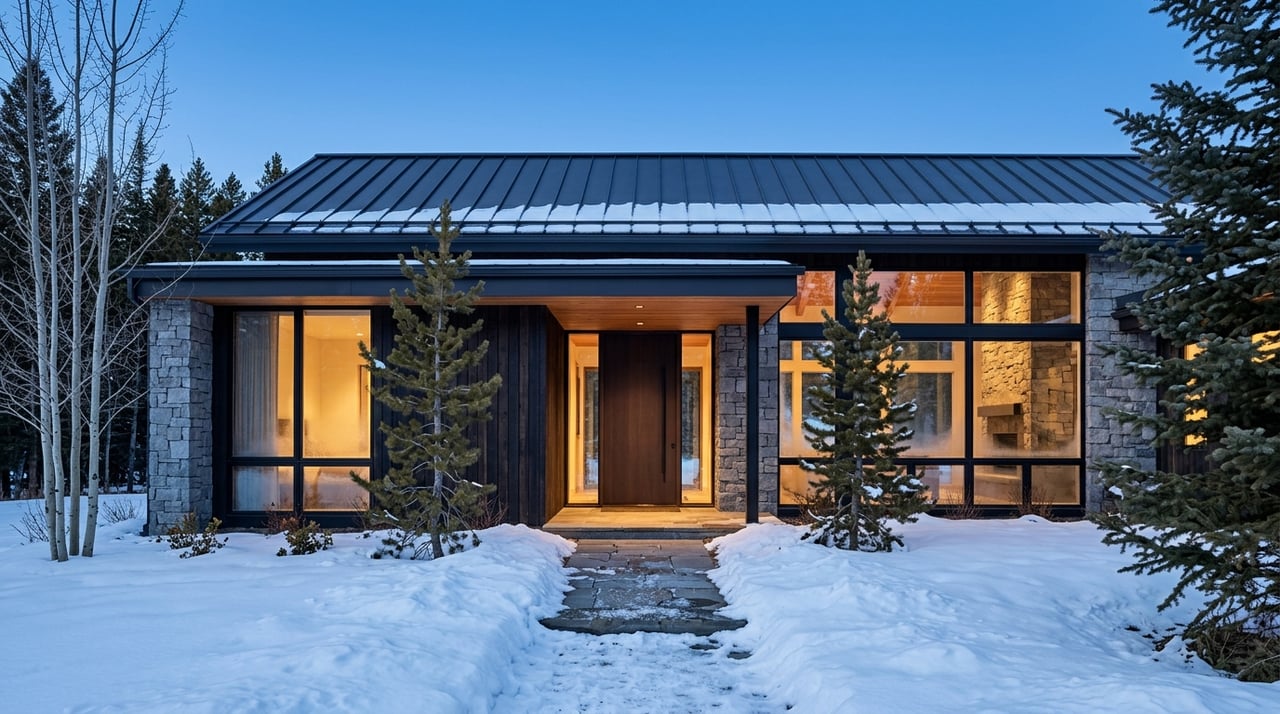
What does luxury look like when it feels natural instead of staged? In Bozeman, it often means you can finish a workday, walk to dinner, catch an art event, head out for a trail loop, or plan a ski morning without turning everyday life into a production. If you are exploring Bozeman’s most sought-after areas, the real appeal is not just the homes themselves, but the rhythm of life they support. Let’s dive in.
Bozeman Luxury Is About Ease
In Bozeman, luxury tends to show up as convenience, access, and time well spent. You are not choosing between town life and outdoor life as often as you might in other mountain markets.
That balance is a big reason Bozeman stands out. Downtown dining, arts programming, connected trails, nearby skiing, wellness amenities, and regional travel access all work together in a way that makes the city feel polished and practical at the same time.
Downtown Bozeman Sets the Tone
Downtown Bozeman is the cultural and dining anchor for the city. According to the local downtown organization, it is a place where residents and visitors can walk the streets, enjoy casual and fine dining, explore art galleries, and use the district as a day-to-day social hub.
That matters if you want a lifestyle where a great evening does not require much planning. In Bozeman, understated luxury often looks like walking to dinner, meeting friends for a drink, browsing local shops, and heading home without a long drive.
Dining Feels Refined but Relaxed
The downtown dining mix supports that everyday ease. The local directory includes restaurants such as Fielding’s, Brigade, Carlisle, and J.W. Heist, each offering a different take on elevated dining, from modern mountain cuisine to steaks, seafood, cocktails, and strong wine programs.
For you as a buyer, that creates more than variety. It creates a sense that a typical Tuesday night can still feel special.
Arts and Events Add Year-Round Energy
Downtown Bozeman is not only about restaurants. The area also benefits from recurring cultural events and major institutions that give the city a steady sense of activity.
The Downtown Bozeman Art Walks run on the second Friday of the month from June through September and include more than 35 businesses and galleries. Music on Main brings free Thursday evening concerts to Main Street during the summer, while the Emerson Center for the Arts & Culture and the Museum of the Rockies add exhibitions, events, classes, and educational programming throughout the year. Sweet Pea Festival in Lindley Park adds another well-known arts event each August.
Outdoor Access Works Like a Daily Amenity
Many places advertise access to nature. Bozeman stands out because outdoor access is woven into normal daily life.
The trail system is a major reason why. GVLT reports that the Main Street to Mountains trail system now totals nearly 100 miles, while the City of Bozeman has described it as over 80 miles in planning documents. The exact number reflects growth over time, but the larger point is clear: this is a substantial network that connects neighborhoods, open space, and key parts of the city.
Trails Are Part of the Routine
When trails sit close to where you live, they stop feeling like special outings and start feeling like part of your schedule. That can mean a quick morning walk, an after-dinner loop, or a lunch-break hike that does not require much effort to organize.
Several standout locations help explain the appeal. Peets Hill and Burke Park offer downtown-adjacent access, sunset views, dog-friendly use, and 3.2 miles of trail. The Gallagator Trail cuts diagonally through central Bozeman and is used by many people commuting toward downtown and Montana State University.
Open Space Shapes Neighborhood Appeal
Other nearby outdoor spots add to that same pattern. Drinking Horse Mountain is about a 10-minute drive from downtown, and Bozeman Pond serves as a west-side open-space anchor with fishing, off-leash dog access, and general recreation.
For buyers focused on quality of life, this kind of setup can matter as much as square footage. When open space is easy to reach, daily life tends to feel calmer and more flexible.
Ski and Wellness Access Completes the Picture
Another reason Bozeman’s lifestyle resonates with luxury buyers is that the city supports more than one version of recreation. You have local skiing, destination skiing, hot springs, fitness amenities, and established healthcare infrastructure within reach.
That combination helps Bozeman work well for full-time residents and second-home owners alike. The city offers both mountain-town character and practical support for longer stays and everyday routines.
Bridger Bowl Makes Ski Days Realistic
Bridger Bowl sits just 16 miles from Bozeman. The ski area reports 2,000 acres of skiable terrain, 2,700 feet of vertical rise, and more than 75 trails.
That proximity is a major lifestyle advantage. Instead of building your winter around a major trip, you can often fit skiing into a normal week.
Big Sky Adds a Resort Option
For a more resort-oriented experience, Big Sky Resort expands the range of options. The resort reports 5,850 acres of skiable terrain, a 50/50 beginner-to-advanced split, and direct flights from 19 cities and 21 airports to BZN.
Its amenities also help explain the appeal for second-home buyers and luxury travelers. Concierge support, ski valet, secure lockers, and winter childcare all support a more service-forward experience.
Wellness and Healthcare Support Daily Living
Bozeman’s wellness infrastructure also adds depth to the lifestyle. Bozeman Hot Springs reports 12 pools ranging from 57 to 106 degrees, along with a steam room, dry sauna, fitness center, group classes, personal training, and executive-style locker rooms.
Healthcare is another practical advantage. Bozeman Health describes itself as a locally governed nonprofit health network with more than 40 specialties, and Deaconess Regional Medical Center is a 125-bed Level III trauma center with 24/7 emergency care.
The Most Sought-After Areas Share a Pattern
Bozeman’s most sought-after areas often align with the same lifestyle priorities. The neighborhoods and districts that draw attention tend to be the ones closest to downtown, trails, or the Bridger foothills.
That does not mean there is only one type of luxury living here. It means the strongest locations usually offer a clear connection to the experiences that define Bozeman.
Historic Districts Near Downtown
The city’s historic district information helps show why the central neighborhoods remain desirable. The Main Street Historic District is the traditional heart of commerce and culture in Southwest Montana, while the Bon Ton District is known for larger homes on larger lots.
The Cooper Park Historic District includes about 250 early 20th-century homes on tree-lined streets. North Tracy and South Tracy/South Black also preserve some of Bozeman’s most recognizable historic residential architecture.
For you, these areas may fit best if you want a walkable in-town lifestyle, character architecture, or the potential appeal of a renovated legacy home or centrally located condo.
West Side and Midtown Convenience
If you prefer a lower-maintenance feel or more everyday convenience, other parts of Bozeman may be a stronger fit. Valley West and The Lakes help anchor the west side near Bozeman Pond, while Midtown sits between downtown and the city’s north-south travel corridor.
These areas can appeal to buyers who want easy movement around town and reliable access to both services and recreation. In practical terms, that can support a smooth full-time routine.
Bridger-Oriented and University-Adjacent Areas
Bridger Creeklands sits near Story Mill and the Bridger Creek corridor, making it especially relevant for buyers who value trail connections and proximity to open space. The University area sits directly adjacent to Montana State University and offers another location with strong ties to central Bozeman.
Depending on your goals, these settings may suit different priorities. Some buyers want foothill views and trail proximity, while others want to stay close to downtown activity and daily services.
How to Think About Luxury in Bozeman
If you are searching in Bozeman, it helps to think beyond finishes and square footage. A beautiful home matters, but the bigger question is how the location supports the way you actually want to live.
In this market, everyday luxury often comes down to a few simple questions:
- Do you want to walk or drive to dinner downtown?
- How important is trail access from your door or within a few minutes?
- Do you picture frequent local ski days at Bridger Bowl?
- Would you rather prioritize historic character, foothill views, or west-side convenience?
- Do wellness amenities and healthcare access factor into your decision?
When you answer those questions clearly, the right area often becomes easier to identify. The most sought-after parts of Bozeman are compelling because they support a polished, outdoor-forward lifestyle with very little friction.
Bozeman does not need to overstate its luxury appeal. The city’s value is in how naturally daily life can come together, from coffee and errands to trails, dining, arts, skiing, and wellness. If you want help identifying which Bozeman area best matches your goals, lifestyle, and property criteria, connect with SHAWNA WINTER.
FAQs
What makes luxury living in Bozeman feel different?
- Luxury in Bozeman is often defined by ease of living, with access to downtown dining and arts, connected trails, nearby skiing, wellness amenities, and practical daily services.
Which Bozeman areas are often considered most sought-after?
- Areas near downtown, trail connections, and the Bridger foothills often stand out, including historic districts near Main Street, Bridger Creeklands, Midtown, Valley West and The Lakes, and the University area.
Is Downtown Bozeman important for everyday lifestyle?
- Yes. Downtown serves as a central hub for dining, retail, galleries, events, and arts programming, which helps support a walkable and socially active routine.
How extensive is the Bozeman trail system?
- Sources in the research report describe the Main Street to Mountains trail system as over 80 miles or nearly 100 miles, reflecting an expanding network integrated into daily life.
How close is skiing from Bozeman?
- Bridger Bowl is 16 miles from Bozeman, and Big Sky Resort offers a larger destination-style ski experience with extensive terrain and resort services.
Why do buyers look at Bozeman’s historic districts?
- Historic districts near downtown can appeal to buyers who want central location, walkability, architectural character, and homes that reflect Bozeman’s earlier development patterns.
What wellness amenities support luxury living in Bozeman?
- Bozeman Hot Springs offers pools, sauna, steam room, fitness facilities, classes, and training, while Bozeman Health provides broad healthcare access with 40-plus specialties and 24/7 emergency care at Deaconess Regional Medical Center.