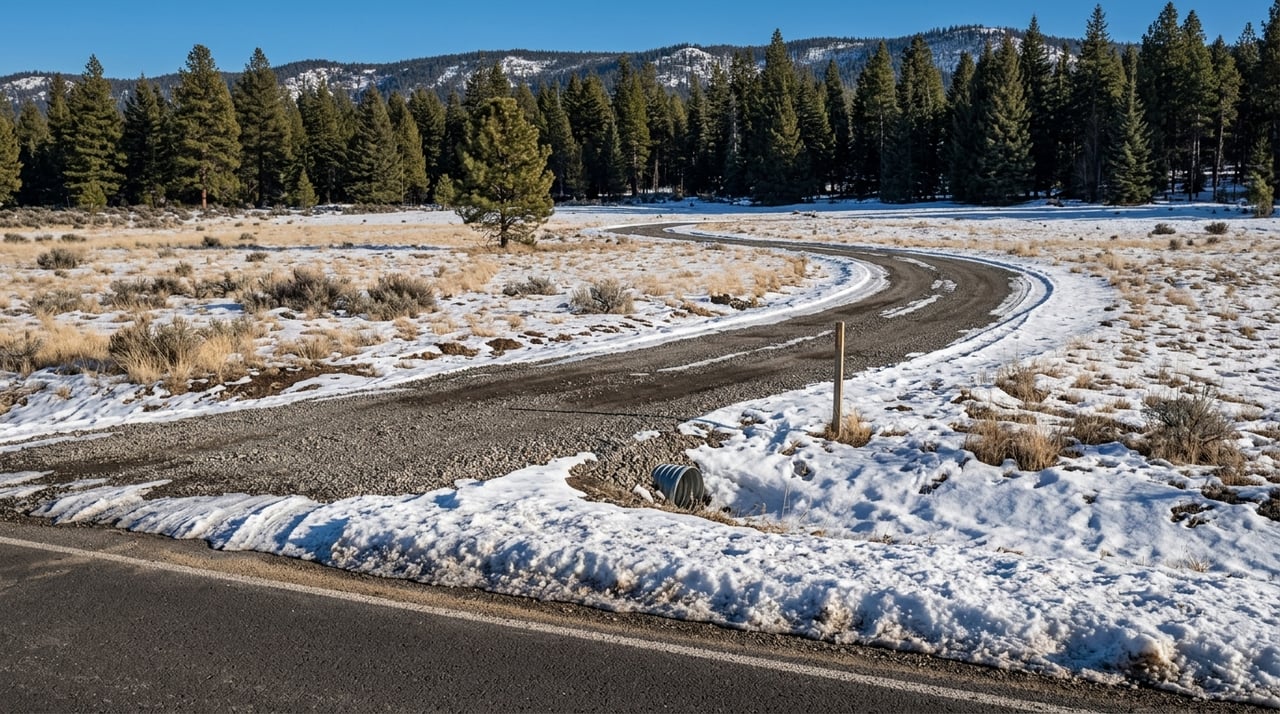
If you are buying land for a custom home in Gallatin Gateway, the biggest mistake is assuming a beautiful parcel is automatically buildable. In this market, each property needs its own feasibility review, and small details can have a major impact on what you can actually build. This guide will help you understand the local process, the key approvals to check, and the professionals to involve before you move forward. Let’s dive in.
Why Gallatin Gateway Land Buying Is Different
Gallatin Gateway is best approached as a parcel-by-parcel due diligence market. County planning documents describe the Gallatin Gateway community core as unzoned, and the broader area is part of a long-range growth corridor in Gallatin County.
That matters because zoning, access, utilities, and development rules can vary sharply from one parcel to the next. A listing description may highlight views, acreage, or proximity, but those details do not confirm the land is ready for a custom home.
Start With Zoning First
Before you focus on design ideas or builder conversations, confirm the parcel’s zoning status. Gallatin County directs buyers to identify the correct zoning district and sub-district through the county mapper.
The county also states that Land Use Permits are required in all zoning districts, and approval is required before construction of most structures in county zoning districts. That means zoning is not a minor box to check later. It is one of the first steps in determining whether your plan is realistic.
Why the Exact Sub-District Matters
Gallatin County’s zoning framework is highly variable. In Zoning District No. 6, for example, minimum lot sizes can range from 40 acres in AE to 10 acres in AS and 1 acre in RS/FR, while the F1 district has no prescribed minimum lot area.
This is why two parcels in the same general area may have very different development potential. If you are evaluating land in or near Gallatin Gateway, you need the parcel’s exact zoning designation, not just a general sense of location.
Review the Documents Behind the Parcel
County Land Use Permit instructions tell owners to review the zoning regulations, deed, plat or survey, easements, county-enforced covenants, and other legal documents before submitting. For a buyer, this is a practical reminder that a parcel can appear buildable but still carry siting, design, or access restrictions.
In other words, the land itself is only part of the story. The recorded documents often shape what is possible.
Confirm Access and Addressing Early
Access is one of the most important parts of land due diligence in rural Gallatin County. In unincorporated areas, Gallatin County GIS issues official physical addresses, and the county notes that a Property Information Request Form is part of the address process.
If your plan includes a new driveway from a county-maintained road, a Road Access Permit is required and reviewed by Road & Bridge. That should be part of your review early in the process, especially if the parcel does not already have established access.
Private Roads and Rural Logistics
On larger tracts or parcels served by private roads, access review can be more involved. The county also notes that road naming, road signage, and 911 addressing can matter in rural areas.
That means your feasibility review should go beyond “there is a road nearby.” You want to know how legal access works, whether additional approvals are needed, and how the property will be addressed for emergency response and future use.
Check Recorded Plats, Easements, and Covenants
The Gallatin County Clerk and Recorder’s Office retains public land and ownership records. Buyers can look up deeds, mortgages, liens, plats, and related recorded documents, and county FAQ guidance also points buyers there for covenants and plats.
This step is essential because recorded restrictions can affect where you place a driveway, home, septic area, or other improvements. They can also limit the layout of the site in ways that are not obvious from a listing photo or aerial map.
Why a Site Plan Often Comes Early
Gallatin County’s Land Use Permit checklist expects a site plan showing property lines, easements, adjacent roads, driveways, setbacks, and proposed structures. Because of that, a surveyor and sometimes a designer may need to be involved before you get too far into the purchase process.
For custom-home buyers, this is a key point. In Gallatin Gateway, it often makes sense to test the site on paper before treating the parcel as a true building opportunity.
Treat Utilities as Separate Questions
One of the most common land-buying mistakes is assuming utility questions have a single answer. In Gallatin Gateway, water, sewer, septic, and floodplain issues should each be reviewed separately.
A parcel may work well in one category and present a challenge in another. The right way to evaluate the property is to break each system into its own approval path.
Sewer Service in Gallatin Gateway
Gallatin Gateway has a Gallatin Gateway Water & Sewer District. According to the district, it is a unit of government with limited powers related to wastewater treatment and disposal for the community.
The district also states that it does not currently provide water service to the community. It is also important to know that the county-filed district boundary map is described as a visual representation only, not a survey.
That means district presence does not equal automatic service. A parcel may be inside or outside the boundary, may connect to sewer or may not, and still may need a separate private water solution.
Water Supply and Water Rights
If your custom home will rely on groundwater, do not assume that drilling a well is the only issue. Montana DNRC states that a well log is not a water right, and most new water uses after June 30, 1973 require a permit or a qualifying filing path.
DNRC also notes that beginning January 1, 2026, users who intend to develop water use through a permit exception must file a Notice of Intent before using the water. For land buyers, that is a strong reason to include water-right review early in your feasibility process.
Septic Feasibility Is Its Own Approval
Gallatin County Environmental Health says a wastewater treatment system permit is always required before a septic system is installed. Site evaluations must be completed by a county-registered site evaluator or a Montana professional engineer, and a county-registered installer must be on-site during installation.
This is separate from zoning review. A parcel may appear suitable for a home, but septic feasibility still needs to be confirmed through the county health process.
Don’t Overlook Floodplain Review
Floodplain review can be a major part of parcel due diligence in Gallatin County. The county states that its floodplain regulations are in effect and that mapped boundaries are based on FEMA’s April 21, 2021 Flood Insurance Study and FIRMs.
Permits may be required for grading, excavation, fill, bank work, or structure placement in a regulatory floodplain. If a parcel includes low areas, creek frontage, or land near drainage corridors, floodplain review should happen early, not after you finalize plans.
Know Which Professionals to Bring In
The right land-buying team can save you time, money, and frustration. In Gallatin Gateway, the strongest approach is to bring in specialists before closing, not after.
Core Experts for Land Due Diligence
Consider involving these professionals early:
- Rural-land broker to help evaluate the parcel and coordinate the due diligence process
- Title officer or real estate attorney to review deeds, recorded restrictions, and ownership documents
- Surveyor to confirm boundaries, easements, and site constraints
- Planning professional or county planner to clarify zoning status, permit triggers, and related approvals
- Septic site evaluator or engineer to assess wastewater feasibility
- Well driller and water-rights consultant if the property will rely on groundwater
- Civil engineer or experienced contractor to review driveway grade, drainage, and road access issues
For more complex custom homes, Montana’s building code guidance notes that drawings or analysis from a Montana-licensed design professional may be required in some circumstances. It is also important to know that Gallatin County does not issue building permits, so the exact permit path should be confirmed with the state Building Codes Program early in the process.
A Smart Way to Evaluate a Parcel
If you are serious about building in Gallatin Gateway, it helps to think in stages instead of rushing from listing to closing. A staged review gives you a clearer picture of risk and helps you make a better buying decision.
Practical Due Diligence Checklist
Use this sequence when evaluating land for a custom home:
- Confirm whether the parcel is zoned or located in the unzoned community core
- Identify the exact zoning district and sub-district, if applicable
- Review the deed, plat, survey, easements, and any county-enforced covenants
- Confirm legal and physical access, including any road access permit needs
- Check addressing requirements and rural road logistics
- Verify sewer availability, if any, at the parcel level
- Review water supply options and potential water-right implications
- Evaluate septic feasibility through the county health process
- Determine whether floodplain regulations affect the building area
- Confirm the permit path before moving into design and construction planning
The Bottom Line on Buying Land in Gallatin Gateway
Buying land for a custom home in Gallatin Gateway is not just about finding the right view or acreage. It is about confirming that the parcel can support your goals through zoning review, access verification, utility planning, septic evaluation, water-right analysis, and floodplain checks.
When you approach the process carefully, you can move forward with much more confidence. The right parcel can be an exceptional long-term fit, but the smartest buyers treat land acquisition as a feasibility process first and a design opportunity second.
If you are considering land in Gallatin Gateway or the greater mountain market, working with an experienced local broker can help you ask the right questions before you commit. For tailored guidance and discreet representation, connect with SHAWNA WINTER.
FAQs
What should you check first when buying land in Gallatin Gateway?
- Start by confirming the parcel’s zoning status and exact zoning district or sub-district, if applicable, because Gallatin Gateway can vary significantly from one parcel to the next.
Does Gallatin Gateway land always have sewer and water service?
- No. The Gallatin Gateway Water & Sewer District says it is related to wastewater treatment and disposal, does not currently provide water service, and service availability should be confirmed at the parcel level.
Do you need septic approval for a custom home in Gallatin Gateway?
- Yes. Gallatin County Environmental Health says a wastewater treatment system permit is required before a septic system is installed.
Can a well log confirm water rights for Gallatin Gateway land?
- No. Montana DNRC states that a well log is not a water right, and water use may require a permit or a qualifying filing path.
Do you need to review access before buying Gallatin Gateway land?
- Yes. If a new driveway will connect to a county-maintained road, Gallatin County requires a Road Access Permit, and rural addressing and road logistics should also be reviewed early.
Does Gallatin County issue building permits for custom homes?
- No. Gallatin County states that it does not issue building permits, so buyers should confirm the proper permit path with the state Building Codes Program early in the process.